

Client Success Stories

Cases

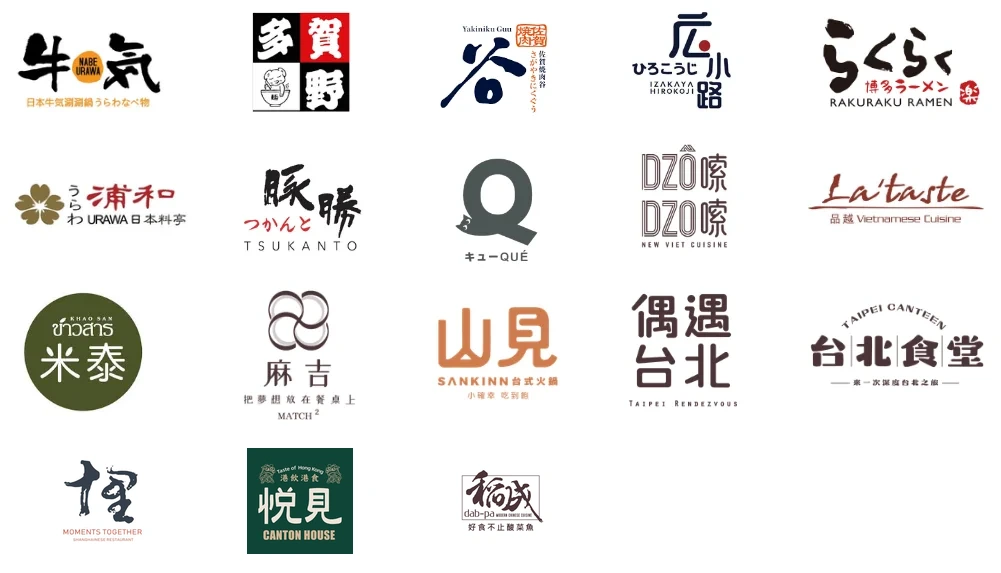
Taste Gourmet is a well-known Hong Kong dining group targeting the mid-to-high-end market, providing a rich variety of cuisine choices to their customers, including Japanese, Chinese and Vietnamese. Famous brands include Nabe Urawa, Dab-pa Modern Chinese Cuisine, Sankinn Taiwanese Hot Pot, La’taste Vietnamese Cuisine and Khao San, to meet market demand and trends in F&B. The Group is currently operating over 60 restaurants across Hong Kong and the Greater Bay Area with an ambition to expand its business scale and footprint worldwide since its establishment in Hong Kong in 2007.  Most of its restaurants are located in prime locations like high-end shopping malls and prime commercial districts. Committed to continuously providing customers with high-quality and remarkable dining experiences, the group has actively introduced new dining concepts and enhanced the image of existing brands to meet market demand, such as offering hot pot all-you-can-eat, specialty dishes and fusion cuisines, to reinforce its leading position in the market.

Taste Gourmet’s F&B Brands

Before Digitalisation:Why does Taste Gourmet need Digitalisation?

As the Group continues to grow, manual operations with intensive paperwork and cumbersome Excel processing on F&B ERP data (such as purchasing, stock, cost and sales) fail to support the Group’s growth and precise management needs under its multi-brand and multi-location strategy. Orders, goods-received notes and invoices scattered across different channels making data consolidation and reconciliation difficult and effort consuming. Management therefore lacks timely visibility and insights into each outlet’s performance and profitability, making it one of the major operational pain points in a medium-to-large sized corporation like Taste Gourmet. Also, with the increase in purchasing and labour costs, the Group requires more precise and real-time data to optimise the Group’s operation across different areas, including centralised purchasing, price securing and bargaining. This urges the Group to seek a comprehensive F&B ERP to strengthen cost control and supply chain management. Moreover, they hope to implement a highly-capable restaurant ERP to turn operational data into comprehensible visual metrics and reports that support better decision making and continuous improvement, putting an end to experience-based judgement based on fragmented data.

After digitalisation:How does FOODIVAL assist the client in digitalisation?

Working alongside Taste Gourmet, FOODVAL fosters digitalisation within the Group. The major areas of transformation include: 

Centralising Purchasing and Operation Data

connects all outlets and the headquarters with Cloud infrastructure, consolidating purchasing, inventory, good-receiving, invoices and cost data in one single system while putting off fragmented and manual workflows. ​

1

Strengthen Central Purchasing and Supply Chain Management

centralising purchasing and logistics data in one single platform with powerful data analytics to strengthen bargaining power, mitigating risk associated with price fluctuation and reducing costs related to unit conversion.

2

Automating Accounts Payable

the group adopts FlexSystem’s flagship product—FlexAccount, the financial management system to automate its accounts payable. Procurement invoice data from the FOODIVAL ERP is synchronised to FlexAccount, where the system automatically completes reconciliation and settlement. This greatly reduces the settlement process from the original two to three weeks to approximately one week, while helping the Group get rid of manual verification work and ease the workload on the finance department.

3

All for the Price of a Daily Coffee

FOODIVAL helps you take full control and gain complete visibility of your restaurant’s daily operations, from food cost to daily supply chain and stock management.